As earlier mentioned, narrative holds a key point in every great game. However the extent of this effect can be limited depending on the game genre it is evident in, an extreme example of this would be comparing the narrative effects evident in an RPG as opposed to a Puzzle game. Here's a rundown on my thoughts on each genre.
 If I had to define one reason why narrative must exist in games today, it would be RPGs - they simply would not exist if story were to never meet gameplay. With such rich examples of storytelling in this genre from both jRPGs in the East and cRPGs in the West it's hard to imagine a game being released in this genre that doesn't lead with a strong sense of story.
 Action/Adventure
The Action/Adventure genre as I see it encompasses everything from platformers to RPG-lite point and click adventures to high fueled, explosive action sequenced games. Despite this massive array of games, it's quite easy to see at a glance that action/adventure relies heavily on a strong narrative. I'm hesitant to say it is as much reliant as RPGs are as if you take away the narrative you'd still have a fun game seven times out of ten, probably not true of RPGs - but it's certainly up there. A detail I feel that is important to note is that many of these games are single player, especially coming into modern days with the likes of Uncharted or Mario Galaxy. And, as noted before, without a competitive human aspect there is only the story and the challenge to drive the player on.
Strategy
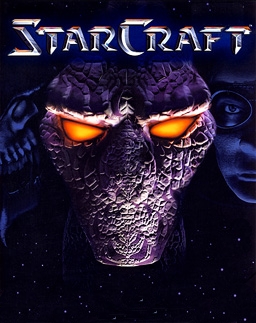
Another genre with a strong reliance on narrative, though not to the degree than RPGs have. Many of the more critically acclaimed strategy games (both turn based and real time) promote a deep and engaging storyline to their campaign modes. The most prevalent example of this that comes to my mind is the campaign mode in Total Annihilation where you fight your eternal enemy over galaxies and universes, destroying every planet you come across as the war wages on. Yes it's a simple story but it's well told. With all this said however, it's important to consider the professional gamers that take to the likes of StarCraft 2 - to these gamers the story is irrelevant, rather a deep understanding of game mechanics, strategies and unit powers is necessary.
 Racing
Racing games are a bit of a mixed bag. On one hand you have arcade styled racing such as BurnOut or Mario Kart, and on the other hand you have campaign styled racing such as Need for Speed or F-Zero. Arcade racers are all too happy to throw you in a car (or kart), onto a race track and let you drive away to your hearts content with little rhyme or reason or any pretence of a story, while campaign based racers will give you a back story, a reason why you've taken to the road and why you're trying to overcome. I guess the distinction here again is that of competitiveness - while both examples have a strong sense of competitiveness in them, that is a strong defining factor of the racing genre as a whole. What sets these apart however is that the campaign based games take it all abit more seriously - where arcade styled games will provide you with explosions, scoreboards or quick competive action (an instant fun factor), campaign styled ones try to bring on a slower pace that seems to intend to provide a deeper experience in the long run.
 Shoot em Up
The shoot em up genre is a bit of a hit or miss field here (no pun intended). While some shooters revel in having a strong narrative, others eschew it almost entirely. A notable distinction then should be made between arena shooters such as Unreal Tournament or Doom Arena and campaign based shooters such as Serious Sam or Call of Duty. With this distinction we can then split up the difference in narrative easily by asserting that arena based shooters require little to no narrative while campaign based shooters find a heavy reliance on narrative is required to keep the players interest. The interesting difference here, that also seems prevalent in strategy games, is that introducing player to player interaction cuts down on the necessity of a deep narrative to keep the player engaged. Atleast, in competitive aspects this seems true.
 Puzzle
Most games in this genre fail to put together any sort of coherent story of any respectable merit. There are however a few exceptions - PuzzleQuest and the Professor Layton series come to mind. In most cases here the narrative and gameplay elements are presented as almost seperate entities to the player, most notable in the Professor Layton series where the player is led along a storyline and at certain points must complete puzzles which often seem to have nothing to do with the story in order to continue. This experience, while not entirely jarring, doesn't quite provide as rounded an experience as one which incorporates the two sides of the coin together - though it does work when kept without it's own environment. The only exception I can think of that provides a different experience to this is the PuzzleQuest series, whee puzzles are integral to carrying on the story as they provide a means to battle your opponents and are very much the whole game.
With all this in mind, puzzles may be the genre that relies least of all on narrative.
Beat em Up
 Beat em ups, to me, take a position close to puzzle games on the scale of narrative based genres. Most examples in this field I can think of have either no story to tell or whatever story they do tell is put together so horribly that any attempt at making it seem serious is laughable. Notable examples here being Street Fighter 4 where the story is incoherent to the point where many of the cutscenes you are shown seem to directly conflict with others, and Mortal Kombat (any of them really) where the story is basically an excuse to put a gorefest on screen. I'd say there's notable exceptions but honestly, I can't think of any - even if you put old school beat em ups with this list such as Streets of Rage or Final Fight, their stories were so bare bones with little to no narrative techniques evident.
No comments:
Post a Comment