Yes, and I do.

...Guess I should elaborate. Player lead narrative, more commonly referenced as emergent gameplay is giving the player the power to direct the story in which ever way they see fit (limitations obviously apply within the scope of the game). This can be achieved in a number of ways which provide a variety of levels of control and flexibility, as well as certain methods being easier to implement than others.
 Perhaps the simplest method of implementing emergent narrative is multiple choices in dialogue. Simple text triggers that can further down the line create diverging paths in the story. This is a fairly common method of emergent narrative due to it's simplicity and flexibility - the amount of power the player has to control the story is completely up to the designer, every possible choice the player can make has been thought out already and is accounted for. This kind of choice based control is commonly seen across all genres, though I believe we most often see it in Action/Adventure games or RPGs, particularly in games with lighter stories. Examples of this would be DragonAge and Planescape: Torment.
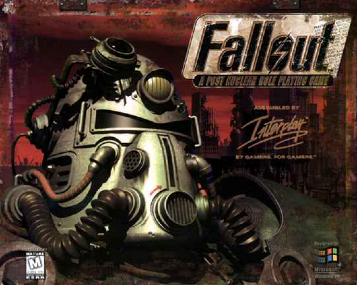 A slightly more advanced version of this would be player investment. This requires a character that grows stronger over the course of the game, and allows for the player to choose what areas they grow in. This is basically hiding or greying out certain choices to the player in dialogue or action sequences unless they have a certain aptitude in a skill (For example, when talking with someone unless the character is particularly skilled in the arts of persuasion they wouldn't be able to get good information). This method is effective but unfortunately can prove to be exclusive - if the player wishes to see all or most of the game presented to them they are more often than not forced to build their character in a certain way (Brains over Brawn). Examples of this are the Mass Effect Series and the old Fallout games.
 The last method I'll discuss, which I'm not overly fond of because it's so often done poorly is Quick Time Events. When done right QTEs can be a pretty powerful tool in helping the player direct their own story. For example giving them the choice to go left or right on a road, and a few seconds to make that choice - enough time to make an informed decision on which way they want to take the story, but not enough to probably ponder over it's ramifications. The unfortunately reality of QTEs are that they are misused in games more often than not, and a QTE choice in game will often be a case of dodge NOW... Game Over.
Emergent narrative can be a strong tool in the designers retinue. When used right it is one of the most effective tools in empowering the player's ability to imprint their self onto the gameworld as they can actually see the world reacting to their decisions. It really is a good device, and whilst it's being used to great ends in some areas I still see far too many cases of it being mishandled. It's a pretty big shame really.

No comments:
Post a Comment